
Pages
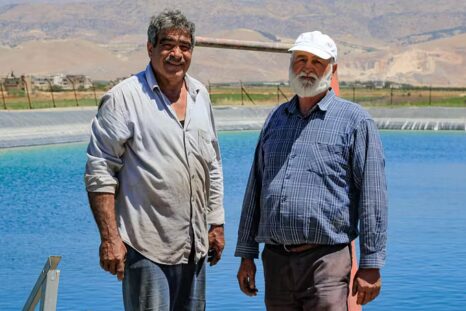 December 10, 2025One of the biggest obstacles to water reuse is the lack of reliable data. This makes it difficult for planners and policymakers to identify opportunities or track progress. Researchers of the International Water Management Institute (IWMI) have turned to Artificial intelligence (AI) and remote sensing-based data analytics to equip stakeholders with the insights needed to make well-informed decisions on water reuse.
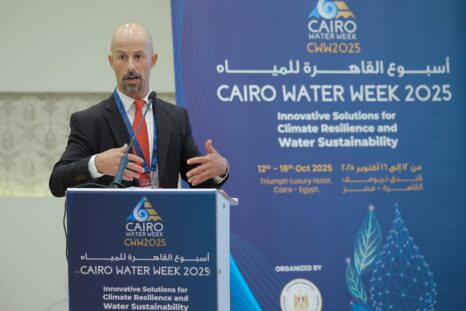 October 24, 2025As water scarcity intensifies across the Middle East and North Africa (MENA), governments and experts are looking for sustainable solutions to close the water gap. Javier Mateo-Sagasta, Senior Researcher and Coordinator for Water Quality at IWMI, discusses in this interview the social perceptions, economic constraints, and policy challenges that hinder water reuse in the region. He also explains how AI and remote sensing can help countries like Egypt optimize wastewater management and move toward a more circular water economy.
October 7, 2025
June 5, 2025
June 5, 2025
June 5, 2025
June 5, 2025
October 24, 2025As water scarcity intensifies across the Middle East and North Africa (MENA), governments and experts are looking for sustainable solutions to close the water gap. Javier Mateo-Sagasta, Senior Researcher and Coordinator for Water Quality at IWMI, discusses in this interview the social perceptions, economic constraints, and policy challenges that hinder water reuse in the region. He also explains how AI and remote sensing can help countries like Egypt optimize wastewater management and move toward a more circular water economy.
October 7, 2025
June 5, 2025
June 5, 2025
June 5, 2025
June 5, 2025
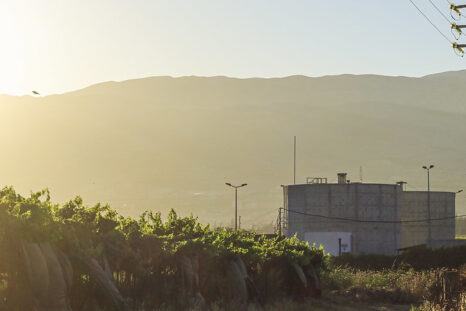 November 18, 2024The success of these standards will depend on support from government agencies, international organizations, and the farming community. It will also require ongoing efforts to improve the country’s wastewater infrastructure.
December 10, 2025
One of the biggest obstacles to water reuse is the lack of reliable data. This makes it difficult for planners and policymakers to identify opportunities or track progress. Researchers of the International Water Management Institute (IWMI) have turned to Artificial intelligence (AI) and remote sensing-based data analytics to equip stakeholders with the insights needed to make well-informed decisions on water reuse.
October 24, 2025
As water scarcity intensifies across the Middle East and North Africa (MENA), governments and experts are looking for sustainable solutions to close the water gap. Javier Mateo-Sagasta, Senior Researcher and Coordinator for Water Quality at IWMI, discusses in this interview the social perceptions, economic constraints, and policy challenges that hinder water reuse in the region. He also explains how AI and remote sensing can help countries like Egypt optimize wastewater management and move toward a more circular water economy.
October 7, 2025
June 5, 2025
June 5, 2025
June 5, 2025
June 5, 2025
November 18, 2024
The success of these standards will depend on support from government agencies, international organizations, and the farming community. It will also require ongoing efforts to improve the country’s wastewater infrastructure.